Top 10 Best Website Hosting Plans You Should Consider?
Choosing the right website hosting plans is crucial for your online presence. With countless options available, making a decision can feel overwhelming. The quality of your hosting affects site speed, security, and overall user experience. It influences how visitors perceive your brand.
Consider your specific needs. Some website hosting plans offer robust features for e-commerce, while others suit blogs or portfolios better. It's important to weigh your options. Not every plan promotes reliability or customer support that adds value. Some may have hidden fees or poor performance issues.
Investing in a reputable hosting service can pay off. Look for plans that provide scalability, uptime guarantees, and strong customer reviews. Remember, your website is a reflection of your brand. Choose wisely, as the right hosting plan lays a solid foundation for your digital journey.
What to Look for in a Web Hosting Plan
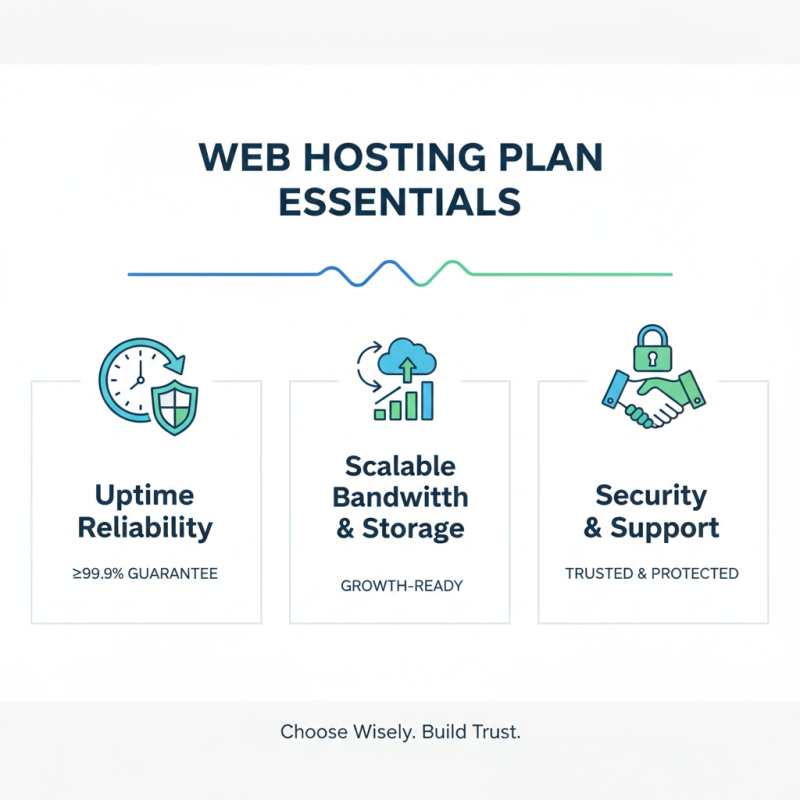
When choosing a web hosting plan, consider the essential features carefully. Start with uptime reliability; a strong guarantee means fewer disruptions. Look for plans that provide at least 99.9% uptime. Reliability builds trust. Next, evaluate the bandwidth and storage options available. If your website grows, your plan should adapt easily.
Customer support is also crucial. Look for 24/7 assistance that is knowledgeable. Effective support can save you time during an outage. Security features shouldn't be overlooked. You want SSL certificates, DDoS protection, and regular backups. These elements keep your data safe from threats.
Lastly, examine scalability. Your hosting plan should allow you to upgrade seamlessly as your traffic increases. Make sure there are no hidden fees. Some plans look attractive upfront but surprise you later with additional costs. Reflect on your needs over time. A plan might seem perfect today but fail tomorrow as your business evolves.
Top Features of Quality Website Hosting Services
When selecting a quality website hosting service, several features stand out. Reliability is crucial. You want a host that maintains a high uptime percentage. Downtime affects your website's accessibility and user trust. Look for services that boast at least 99.9% uptime. This ensures visitors can access your site nearly anytime.
Another important feature is customer support. It should be available 24/7 via multiple channels. Whether it's live chat, email, or phone support, quick access to help can save you during critical moments. Many new users face issues during setup. Instant assistance can prevent frustration and downtime.
Security features also matter significantly. Look for services that include SSL certificates, regular backups, and malware detection. These features protect your website from cyber threats. While many hosts claim to prioritize security, ensure you understand their protocols. Trustworthy hosts are transparent about how they keep your data secure. Researching these elements gives you a clearer picture of which host to choose.
Comparison of Shared, VPS, and Dedicated Hosting
When choosing a web hosting plan, understanding the differences between shared, VPS, and dedicated hosting is crucial. Shared hosting is budget-friendly and ideal for beginners. Multiple websites share the same server resources. This may lead to slower performance, especially during traffic spikes. It’s not always stable. However, it’s a low-risk option for personal blogs or small business sites.
Virtual Private Server (VPS) hosting strikes a balance. It offers dedicated resources within a shared environment. This means better stability and more control over your server settings. Businesses expecting growth often find VPS hosting more suitable. The cost is higher than shared hosting, but the performance can be worth the investment. It's often a smart choice for medium-sized websites that need scalability.
Dedicated hosting provides the highest level of performance and control. The user has an entire server to themselves. This means top-notch security and speed. However, it comes at a premium price. Managing a dedicated server requires technical expertise. This hosting type is ideal for large organizations or high-traffic websites. It involves significant responsibility but offers unparalleled power. Be prepared to monitor and maintain the server regularly.
Overview of the Leading Hosting Providers in 2023
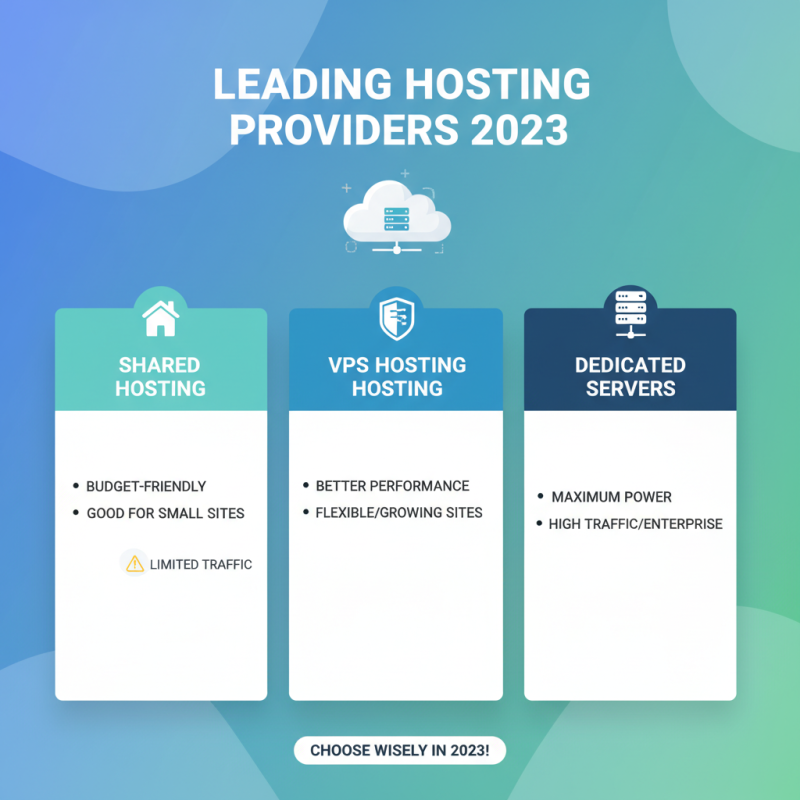
In 2023, selecting the right website hosting provider is crucial for businesses and individuals alike. Many companies offer varied plans tailored to different needs. Some focus on shared hosting, while others provide VPS or dedicated server options. Each type has its own strengths. Shared hosting can be budget-friendly, but it may not handle high traffic well. Alternatively, VPS hosting offers greater performance and flexibility, making it a solid choice for growing websites.
Reliability is a key factor when evaluating hosting providers. Uptime guarantees are essential, as downtime can lead to lost revenue and damaged reputations. Additionally, customer support is a critical component. Access to knowledgeable representatives can save users time and frustration during technical issues. Essential features like free SSL certificates and easy-to-use control panels should also be considered.
However, potential drawbacks do exist. Not all hosting plans are transparent about renewal rates, which can lead to unexpected costs. Some users report that initial setup can feel complicated. It’s important to weigh these factors carefully. Choosing a hosting provider involves balancing needs with budget while ensuring a smooth experience for visitors.
Budget-Friendly vs. Premium Hosting Options
When selecting a web hosting plan, the choice between budget-friendly and premium options can be daunting. Budget options typically start at an attractive price point, often under $5 a month. This affordability appeals to many small businesses or personal projects. However, the reliability and performance might fall short. For instance, a recent study indicated that 35% of users experienced downtime with lower-tier services. Downtime can harm user experience and SEO rankings.
In contrast, premium hosting solutions often come with advanced features. They include enhanced security, faster loading times, and improved support systems. A report from a renowned hosting review site found that premium hosting environments see 99.9% uptime, significantly better than budget counterparts. Users can also benefit from optimized server environments tailored for specific needs. But the cost is a barrier for some.
While both options have their merits, a crucial realization is how investment in hosting reflects on your site’s performance. Lower costs may offer short-term savings. However, poor performance can lead to long-term losses, like abandoned carts or unhappy users. Balancing budget constraints with quality needs requires careful evaluation. It's essential to assess what features matter most for your unique use case.