How to Choose the Best Virtual Private Server for Your Needs?
When selecting a virtual private server, many factors come into play. A virtual private server can offer you the performance and flexibility your projects require. You might need to consider your budget, expected traffic, and specific features.
Finding the right hosting solution can be overwhelming. Numerous providers offer different plans with varying capabilities. It’s easy to get lost in technical jargon that may not be relevant to your needs.
Take the time to assess what you truly require from a virtual private server. Think about your current and future needs. Are you planning for growth? The wrong choice can lead to frustrations and wasted resources. Thus, thorough research is crucial before making a decision.
Understanding Virtual Private Servers (VPS) and Their Benefits
Understanding Virtual Private Servers (VPS) and Their Benefits
Virtual Private Servers (VPS) provide a flexible solution for website hosting and application needs. They act like dedicated servers but share physical hardware. This setup saves costs while maintaining performance. Users enjoy root access, allowing more customization than shared hosting. With a VPS, you can install software and configure settings according to your needs.
One major benefit is scalability. Many VPS providers allow you to adjust resources easily. This means you can start with minimal resources and upgrade as your traffic grows. However, some users may struggle with resource monitoring. They might overestimate their current needs and experience performance issues during high traffic times. This can be frustrating, but it highlights the importance of regular assessments of usage.
Security is another key feature. VPS environments are more isolated than shared hosting, reducing the risk of attacks. Yet, security management falls on the user. Some users overlook updates or fail to implement security measures effectively. That's a critical mistake, leading to vulnerabilities. A VPS offers control but also demands responsibility. Users must weigh their technical ability against security needs.
Identifying Your Hosting Needs and Requirements
When choosing a virtual private server (VPS), it’s crucial to identify your specific needs. Start by evaluating your current and future website traffic. If you expect significant growth, opt for a VPS that can scale easily. Monitor how many concurrent users your site can handle. Understand the importance of CPU and RAM in managing that traffic effectively.
Next, consider the types of applications you will run on your VPS. Do you need ample storage for files? Get a plan with SSD storage to enhance speed and performance. What about security? Check if the provider offers robust security features. Reflect on whether you need managed services to relieve you from technical hassles.
Your budget is essential, too. Compare various options but beware of sacrificing quality for a lower price. Sometimes, cheaper plans come with hidden fees or inadequate support. It’s also crucial to assess the customer service reputation of the hosting provider. What happens when something goes wrong? Choose a VPS solution that offers reliable support when you need it most. This reflection will help you make a more informed decision.
Comparing Different VPS Providers and Their Features
When selecting a VPS provider, various features truly matter. According to a 2022 market report, 40% of businesses prioritize performance and reliability. Speed directly affects user satisfaction. Latency should ideally be under 200 ms. Providers that guarantee uptime of 99.9% or more often attract more clients. However, promises can mislead. Some providers fail to deliver consistent performance, causing frustration.
Security is another crucial aspect. Statistics reveal that 60% of breaches involve vulnerable servers. Choosing a VPS with robust security protocols is essential. Look for features like DDoS protection and automatic backups. Yet, some providers may charge extra for these services. Comparing costs can be tricky, as hidden fees often complicate the decision.
Scalability also plays a significant role. As businesses grow, their needs change. A VPS that allows for easy scaling without downtime is valuable. Unfortunately, not all providers offer this flexibility. Reading user reviews can help gauge others' experiences. Yet, reviews can be biased or overly positive. Always seek a well-rounded perspective before making a choice.
How to Choose the Best Virtual Private Server for Your Needs?
| Provider |
RAM |
CPU Cores |
Storage Type |
Storage Size |
Bandwidth |
Price/Month |
OS Options |
| Provider A |
8 GB |
4 Cores |
SSD |
100 GB |
4 TB |
$20 |
Linux, Windows |
| Provider B |
16 GB |
8 Cores |
NVMe |
200 GB |
5 TB |
$40 |
Linux, Windows |
| Provider C |
4 GB |
2 Cores |
SSD |
50 GB |
2 TB |
$10 |
Linux |
| Provider D |
32 GB |
16 Cores |
SSD |
500 GB |
10 TB |
$80 |
Linux, Windows |
Evaluating Performance Metrics and Reliability Options
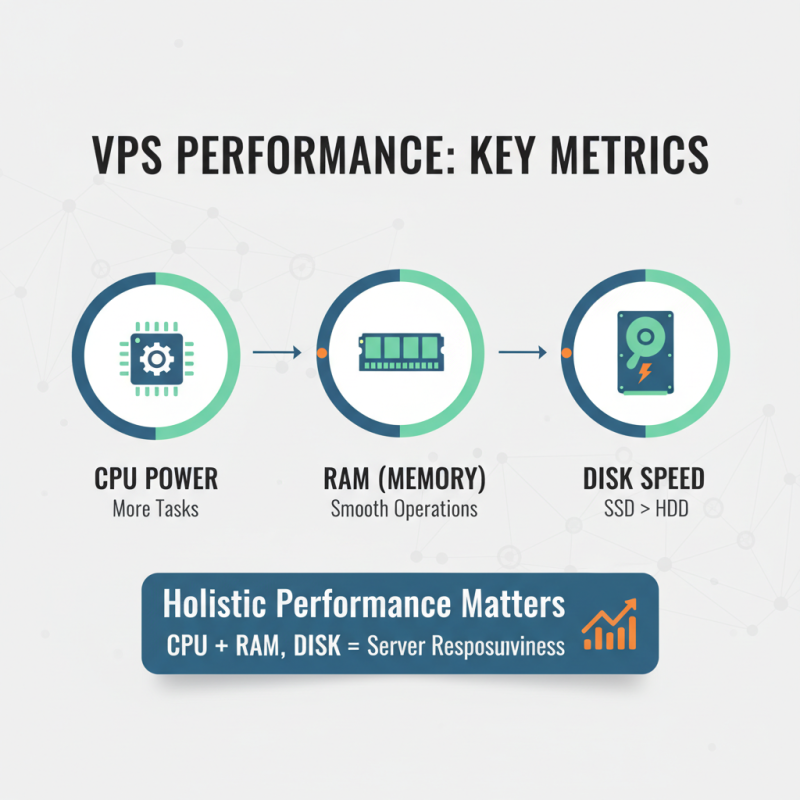
When selecting a virtual private server (VPS), performance metrics are crucial. Look closely at factors like CPU power, RAM, and disk speed. A fast CPU can handle more tasks simultaneously. Sufficient RAM ensures smooth operations during peak times. Storage type matters too; SSDs are quicker than traditional HDDs. Pay attention to how these elements work together. They can significantly affect your server's performance.
Reliability options are equally important. Uptime is a key metric; aim for providers that guarantee 99.9% uptime. This means minimal downtime and better accessibility for your users. Consider backup solutions as well. A reliable VPS should offer automatic backups. This provides peace of mind if something goes wrong.
Evaluate support services as well. Fast, knowledgeable support is necessary for troubleshooting issues. Carefully read reviews, but remember not all experiences are the same. Reflect on what performance means for your specific needs. Not every VPS suits every user.
Assessing Cost and Scalability for Future Growth
When choosing a virtual private server (VPS), cost is a crucial factor. Different providers offer various pricing models. Some charge monthly, while others have pay-as-you-go options. It's essential to evaluate what fits your budget. Look for hidden fees. These can inflate costs unexpectedly. Understanding all expenses helps avoid financial surprises.
Scalability is another vital aspect. Your current needs may change. So, selecting a VPS that grows with you is wise. A flexible plan can adapt to increased traffic or additional resources. Pay attention to upgrade paths. Some providers make it easier than others to expand.
Don't forget about resource limits. Some plans may seem cheap at first but impose strict limits. This can hinder your growth. Test the provider's support. You may require assistance during scaling. It’s better to choose a service that offers reliable help, even if it costs a bit more. You want support that’s there when you need it. What happens if your site crashes during a peak time?
Cost Comparison of Virtual Private Servers
This chart illustrates the monthly costs of different Virtual Private Server plans. As businesses grow, understanding these costs can help in making informed decisions for scalable solutions.