Why Choose Cloud VPS Providers for Your Business Needs?
In the digital age, businesses are constantly seeking efficient solutions for their operations. One option that has gained significant traction is partnering with cloud VPS providers. These providers offer flexible hosting solutions that cater to diverse business needs. With scalability at the forefront, companies can adjust their resources without hefty upfront investments.
Moreover, cloud VPS providers enhance security and reliability. This is crucial for businesses that handle sensitive customer data. However, not every provider offers the same level of service. Some may lack adequate support or experienced personnel. Choosing the right cloud VPS provider requires careful consideration of your unique requirements.
While there are definite advantages, potential challenges also exist. For instance, migrating existing services to the cloud can be complex. Businesses must be prepared to navigate these nuances. Overall, the decision to choose cloud VPS providers should be made with a comprehensive understanding of what each can deliver.

Advantages of Cloud VPS Over Traditional Hosting Solutions
Cloud VPS solutions offer distinct advantages over traditional hosting options. One key benefit is scalability. Businesses can easily adjust resources based on their needs. For instance, during peak seasons, additional RAM or storage can be added in minutes. This flexibility is crucial for growing companies facing fluctuating demand.
Another important aspect is enhanced performance. Cloud VPS utilizes multiple servers, distributing the load effectively. This means your website can handle more visitors without slowing down. Traditional hosting often struggles with traffic spikes, leading to downtime. Businesses can rely on consistent performance with Cloud VPS, which improves user experience and increases satisfaction.
Lastly, security is a significant concern. Cloud VPS environments come equipped with advanced security measures like firewalls and data encryption. These features help protect sensitive information from breaches. On the flip side, traditional hosting may not offer the same level of security, exposing businesses to risks. It's worth considering these factors when deciding on hosting solutions.
Advantages of Cloud VPS over Traditional Hosting Solutions
Scalability: Adapting Resources to Business Growth
Cloud VPS providers offer a unique advantage when it comes to scalability. As a business grows, its needs can change rapidly. Whether you experience seasonal spikes or a sudden influx of clients, having the ability to quickly adapt resources is crucial. With cloud VPS, increasing storage or bandwidth is often just a few clicks away. This flexibility ensures that your operations remain smooth and efficient.
However, scalability isn’t always perfect. Sometimes, businesses may overestimate their growth potential. They might invest in more resources than necessary, leading to increased costs without corresponding returns. Balancing growth and resource allocation requires careful planning. It’s important to track usage patterns to avoid waste. Regular assessments can help identify underused resources and where adjustments might be needed.
Moreover, scaling up too quickly can overwhelm your infrastructure. As you add resources, ensure that your systems can handle the increased load. You may need to adjust your configuration or optimize performance. This is where cloud VPS shines but also where businesses face growing pains. Finding the right balance is key. Initially, it may feel like a learning curve. However, over time, mastering these dynamics can lead to robust and responsive business technology.
Cost-Effectiveness: Budget-Friendly Solutions for Enterprises
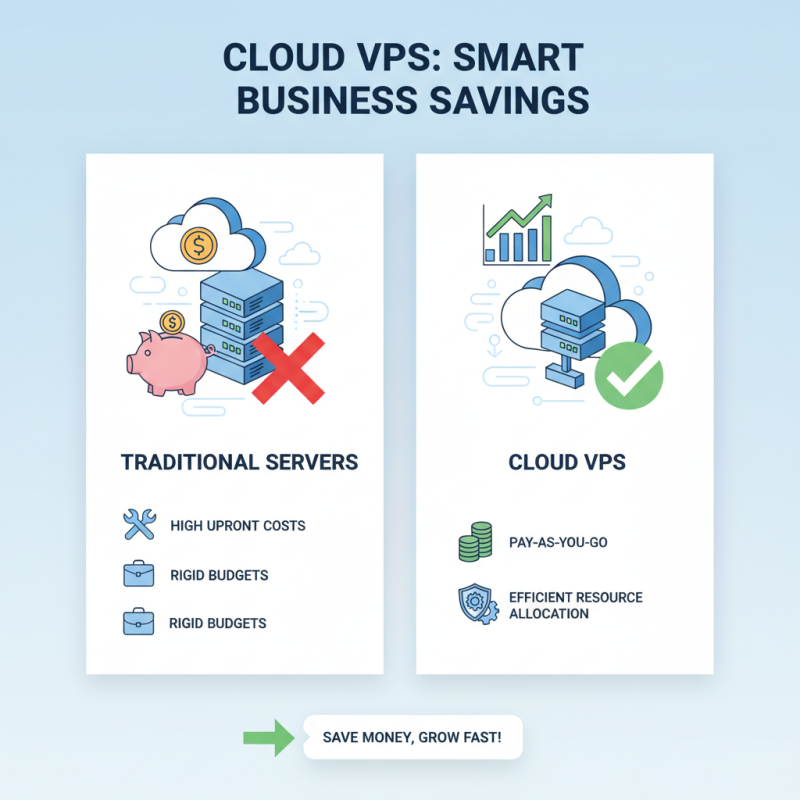
When considering solutions for your business, cloud VPS providers stand out due to their cost-effectiveness. With traditional servers, companies face high upfront costs. A cloud VPS eliminates this burden by offering pay-as-you-go plans. This flexibility allows businesses to allocate budgets more efficiently. Companies can scale their resources instantly without worrying about hardware expenses.
Moreover, a cloud VPS can significantly reduce IT costs. Maintenance and upgrades are handled by the provider. This means less time and money spent on technical support. Businesses can operate with smaller IT teams. However, it’s essential to recognize some trade-offs. Not all cloud providers offer the same level of service. Not every budget-friendly option guarantees optimal performance.
The ease of access to resources is an advantage. Still, businesses must conduct due diligence. Understanding the limitations of lower-cost plans is vital. Some might find themselves restricted by bandwidth or storage. Finding balance between cost and feature sets may require careful consideration. Exploring various providers helps in making informed decisions.
Enhanced Performance and Reliability of Cloud VPS
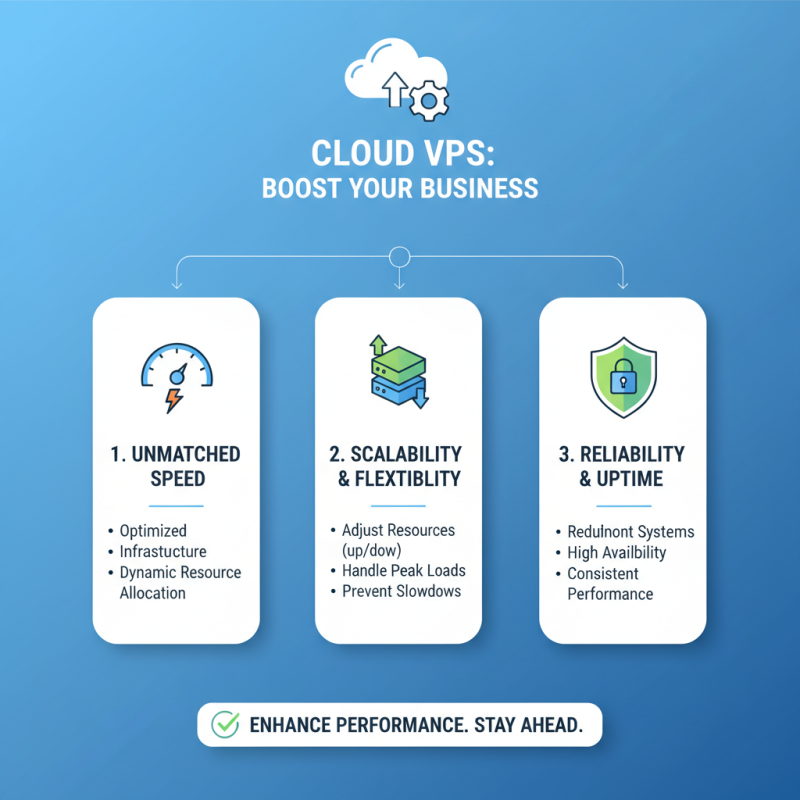
Choosing a cloud VPS provider can significantly enhance your business’s performance. The infrastructure behind cloud VPS is designed for speed. Resources are often allocated dynamically, ensuring optimal performance. Businesses can scale their resources up or down as needed. This flexibility allows for adjustments during peak times, preventing slowdowns or outages.
Reliability is another crucial aspect. Cloud VPS typically offers higher uptime rates than traditional hosting. Redundant systems ensure minimal downtime, which is vital for customer satisfaction. However, it's important to note that not all cloud VPS providers offer the same reliability. Some may have hidden issues that could affect performance. Researching and selecting a provider is key.
Another point to consider is the maintenance of the cloud infrastructure. While many providers handle this, some businesses may need hands-on management. A balance must be struck between automation and control. Each organization has unique needs. Finding the right level of service can be a challenge.
Security Features Offered by Cloud VPS Providers
Cloud VPS providers offer robust security features that are critical for businesses today. These services typically include data encryption, firewalls, and regular backups. By encrypting data, businesses can protect sensitive information from unauthorized access. This is essential for maintaining customer trust and compliance with regulations.
Tips: Always check if the VPS provider uses up-to-date encryption standards. This practice can significantly lower the risk of data breaches.
Firewalls are another cornerstone of security in Cloud VPS. They serve as gatekeepers, filtering out malicious traffic. Many providers offer customizable firewall settings. This ensures that businesses can tailor their defenses based on specific needs. However, this customization can lead to oversights if not managed carefully.
Tips: Review firewall settings regularly. You may miss unauthorized access points if you don't stay vigilant.
Regular backups are vital. They ensure data recovery in case of cyber incidents or hardware failures. Businesses should verify how backups are managed. Some providers may have infrequent backup schedules, leading to potential data loss. Always aim for a backup solution that offers daily increments for enhanced safety.
Tips: Test your backup process. A backup is only good if you can restore from it seamlessly.
Why Choose Cloud VPS Providers for Your Business Needs? - Security Features Offered by Cloud VPS Providers
| Feature |
Description |
Importance |
| Data Encryption |
Protects data at rest and in transit using strong encryption protocols. |
Ensures confidentiality and compliance with privacy regulations. |
| Firewall Protection |
Monitors and controls incoming and outgoing network traffic. |
Prevents unauthorized access and is a key element in a layered security strategy. |
| DDoS Protection |
Mitigates Distributed Denial of Service attacks that aim to disrupt services. |
Maintains uptime and reliability of services during attacks. |
| Regular Backups |
Automated system backups to prevent data loss. |
Critical for data recovery and business continuity. |
| Access Control |
Manages user permissions and access to sensitive data. |
Helps prevent insider threats and ensures data integrity. |
| 24/7 Monitoring |
Continuous monitoring of systems for unusual activity. |
Enhances threat detection and response capabilities. |