Why Choose a VPS Server for Your Business Needs?
In today's digital landscape, businesses face growing demands for performance and security. A VPS server emerges as a viable solution. It combines the benefits of shared and dedicated hosting. This flexibility is ideal for various business sizes.
A VPS server provides dedicated resources without the high costs of dedicated servers. This can enhance website performance dramatically. It ensures faster loading times, which is crucial for customer retention. Businesses can also scale their resources as they grow, making it a practical choice.
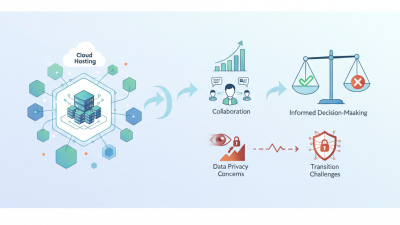
However, choosing a VPS server is not without challenges. Configuration can be complex, and management requires some technical expertise. Not all providers offer the same level of support. Businesses must carefully evaluate their options to ensure reliability and security. A poorly managed VPS can lead to performance issues. A thorough understanding of this technology is essential for making informed decisions.

Benefits of VPS Servers for Mid-Sized Business Growth and Scalability
Virtual Private Server (VPS) hosting can be a game changer for mid-sized businesses seeking growth. According to a report by Gartner, nearly 70% of businesses using VPS solutions have experienced improved performance and uptime. This increased reliability directly translates to better customer satisfaction and retention rates. When scaling operations, having a flexible and reliable server can enhance the overall business ecosystem.
Mid-sized businesses often face unique challenges when it comes to scalability. A recent study from Statista showed that 59% of businesses believe scalability is crucial for long-term success. VPS servers allow for the easy addition of resources as needed. This flexibility ensures that as a business grows, their hosting solution grows with them. Moreover, VPS hosting offers cost-effective solutions compared to dedicated servers. It strikes a balance between performance and expense, essential for maintaining healthy cash flow.
While VPS offers numerous benefits, challenges remain. Understanding resource allocation and management is critical. Misconfigurations can lead to downtime, impacting the bottom line. Awareness and careful planning are essential to leverage the full potential of VPS hosting. Mid-sized businesses must prioritize training teams on managing VPS effectively to overcome these pitfalls and reap the rewards that come with scalability.
Why Choose a VPS Server for Your Business Needs? - Benefits of VPS Servers for Mid-Sized Business Growth and Scalability
| Benefit |
Description |
Impact on Business |
| Cost Efficiency |
VPS servers provide dedicated resources at a lower cost compared to dedicated servers. |
Reduced operational costs allow for budget allocation to other growth areas. |
| Scalability |
Easily upgrade resources like CPU, RAM, and storage as the business grows. |
Facilitates business expansion without major infrastructure changes. |
| Performance |
Faster load times and better performance compared to shared hosting. |
Improved customer satisfaction and retention due to better user experience. |
| Control |
Full root access allows for complete control over the server environment. |
Customized configurations to meet specific business needs and applications. |
| Security |
Enhanced security features compared to shared hosting solutions. |
Protection of sensitive business data and improved compliance. |
Cost-Effectiveness of VPS vs. Dedicated Servers: An Analytical Approach
VPS servers offer a cost-effective alternative to dedicated servers for businesses seeking flexible solutions. According to a study by Gartner, companies can save up to 30% on hosting costs when switching from dedicated hosting to a VPS. This is crucial for startups and small businesses with limited budgets. VPS allows you to customize resources like CPU and RAM without the hefty price tag of dedicated servers.
Additionally, a recent report from IDC highlights that 70% of businesses prioritize scalability in their IT infrastructure. With VPS, companies can easily adjust their resources as needed. This adaptability means your business can respond quickly to changing demands. However, some businesses may underestimate the initial learning curve while transitioning to a VPS. It requires technical knowledge to manage effectively, which is a critical consideration.
Moreover, VPS performance can fluctuate based on patterns in resource usage. If several VPS tenants on the same server demand resources simultaneously, this could lead to unexpected slowdowns. Understanding these nuances can foster better decision-making. Embracing VPS technology is not without challenges, but the potential for significant cost savings and flexibility remains compelling for many businesses.
Performance Metrics: Comparing VPS Hosting Speeds and Reliability Rates
When evaluating VPS hosting, performance metrics are vital. Speed and reliability directly impact user experience. A VPS generally outperforms shared hosting, providing dedicated resources. This ensures faster load times and reduced latency. Users often notice quicker response rates on their websites.
Reliability is another crucial factor. A dependable VPS platform should demonstrate minimal downtime. Look for uptime guarantees of 99.9% or higher. However, some services might not deliver this consistently. Monitoring service performance can expose any shortcomings. Analyzing these metrics helps businesses make informed decisions.
Choosing a VPS means acknowledging that not all hosts are equal. Some may promise speed but fail in reliability, or vice versa. Testing different providers can be a reflective process. It is important to find the right balance between speed and uptime. Understanding these performance metrics is key for making a responsible choice.
Enhanced Security Features in VPS Hosting: Industry Standards and Compliance
When selecting a VPS server, businesses often overlook the crucial aspect of enhanced security features. VPS hosting offers industry-standard security protocols that are essential for safeguarding sensitive data. This includes features like firewalls and regular software updates. These measures help defend against cyber threats that are increasingly sophisticated.
Moreover, compliance with industry regulations is vital. A reputable VPS hosting provider should adhere to standards such as GDPR or HIPAA. This compliance ensures that businesses not only protect their data but also meet legal obligations. However, not all providers prioritize these aspects equally. Some may lack transparency in their security practices, leaving clients exposed.
Investing in a VPS means considering these security features seriously. It's not just about having a server; it's about the peace of mind that comes with robust protection. Ensure you verify security certifications and ask questions about their protocols. This diligence can make a significant difference in a world where data breaches are all too common.
Customization Options in VPS Services: Tailoring to Specific Business Needs
When considering a VPS server, customization options are essential. Many businesses have unique needs, and a VPS can be tailored to meet those. Unlike shared hosting, a VPS allows you to modify various settings, such as RAM, CPU, and storage. This flexibility helps in optimizing performance specifically for your applications.
One of the key benefits is scalability. As your business grows, so do your technical requirements. With VPS, you can easily adjust your resources without downtime. This means you don’t have to overpay for unused capacity. Customization ensures that you only pay for what you need.
Tips for effective VPS customization include:
- Assessing your business goals clearly.
- Considering the type of applications you run.
- Identifying traffic patterns to predict resource needs.
- Regularly reviewing your usage to adapt your setup as required.
Remember, what works today might not be sufficient tomorrow. Being proactive in your configurations can save you from wasted expenses and performance issues later on.