How to Choose the Right Virtual Server Hosting for Your Business Needs?
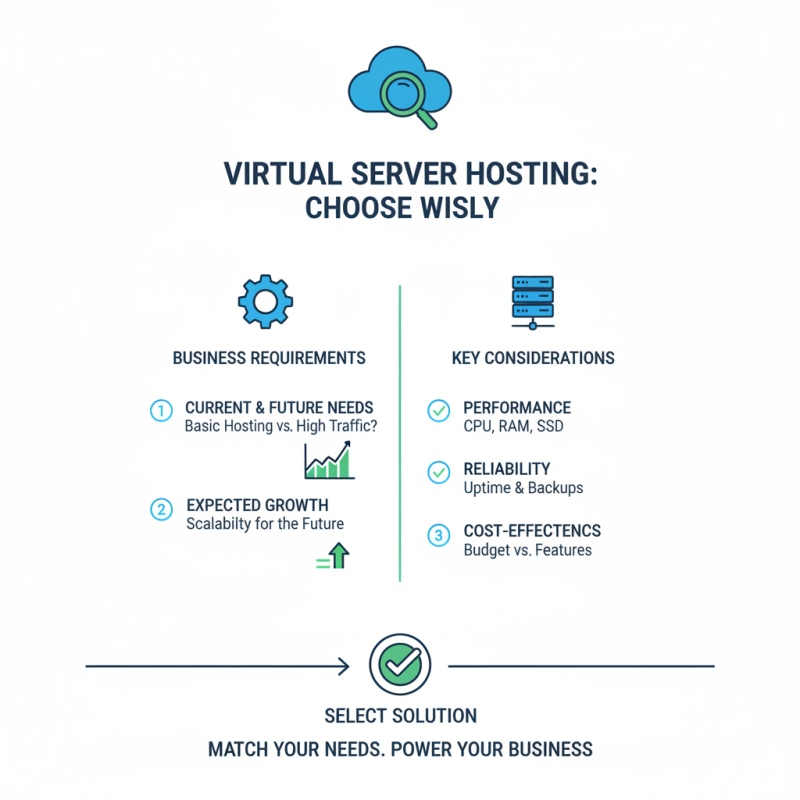
When choosing the right virtual server hosting for your business needs, several factors come into play. Virtual server hosting allows businesses to utilize resources efficiently. It can be tailored to specific requirements. However, understanding these options is crucial.
Cost is often a concern for many businesses. Some packages may seem affordable upfront, but hidden costs can arise later. Assess your budget carefully. Additionally, consider scalability. Your business may grow, and your hosting needs will change. A flexible provider can adapt to these changes.
Security is another key aspect. With increasing cyber threats, robust security measures are essential. Look for providers with strong protocols in place. Don't overlook customer support either. Effective support can alleviate issues during critical times. Reflect on these points to make an informed decision. Choosing virtual server hosting is not just about the present; consider your future.

Understanding the Basics of Virtual Server Hosting
Understanding virtual server hosting is crucial for your business's online presence. A virtual server mimics a dedicated server's functionality, providing better resource management. It's suitable for varied business sizes. When you host virtually, you share physical hardware, but each server acts independently. This setup improves efficiency and cuts costs.
Tips: Always evaluate your traffic needs. You don’t want to overspend on resources you won’t use. Look for hosting options that allow scalability. Your business may grow, and you need flexibility.
Choosing the right plan can be challenging. There are many features like bandwidth, storage, and support to compare. Ignore the fancy add-ons. They may not be necessary for your startup. Keep it simple. Focus on uptime and reliability as your priorities. A service that promises 99.9% uptime sounds great, but verify that claim.
Tips: Read reviews but don’t get swayed by one bad review. Investigate common themes in feedback. It’s easy to overlook user experiences that matter. Engage with customer support before committing. Their responsiveness can indicate future support quality.
How to Choose the Right Virtual Server Hosting for Your Business Needs?
| Feature |
Basic Plan |
Standard Plan |
Premium Plan |
| Storage |
50 GB |
100 GB |
200 GB |
| RAM |
1 GB |
2 GB |
4 GB |
| CPU Cores |
1 Core |
2 Cores |
4 Cores |
| Bandwidth |
1 TB |
2 TB |
5 TB |
| Backup |
Weekly |
Daily |
Real-time |
| Support |
Email Only |
Email & Chat |
24/7 Phone Support |
Comparing Different Virtual Server Hosting Solutions
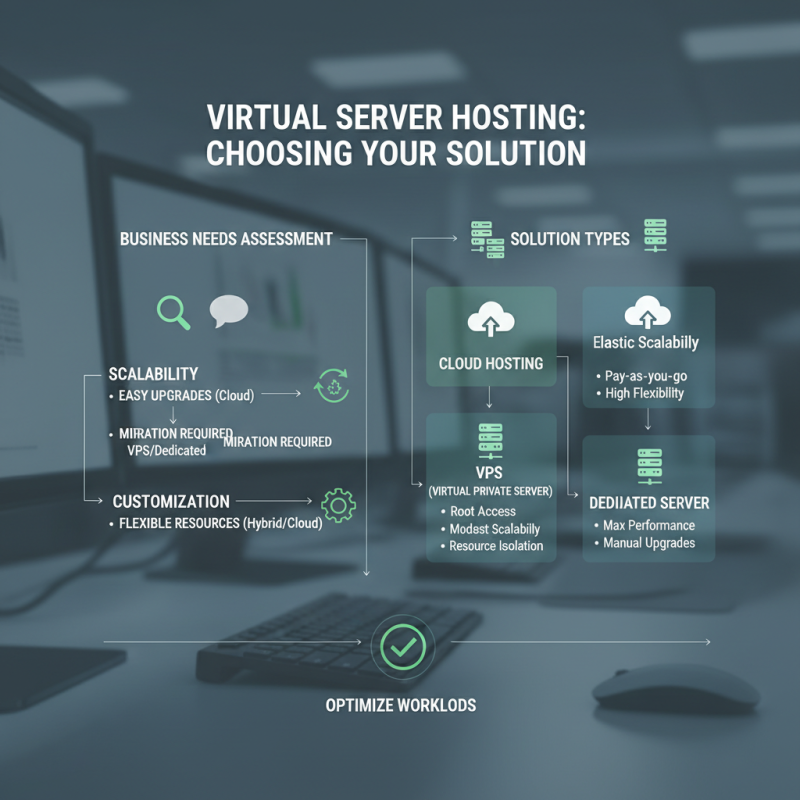
When comparing different virtual server hosting solutions, it’s essential to understand your specific business needs. Consider factors like scalability. Some solutions offer easy upgrades, while others may require a migration process. Look into customization options as well. A flexible server allows you to modify resources based on workload demands.
Performance is another critical element. Evaluate the server’s speed, uptime, and reliability. Some providers might promise high uptime but fail to deliver consistently. Additionally, the geographical location of servers can influence performance. Proximity to your target audience can enhance loading times.
Cost is often a point of contention. Monthly fees can vary significantly. Some providers use hidden charges that may surprise you later. It's crucial to assess whether the features match the price. Don't hesitate to ask for trials or demos. Often, you will find that not all features are as effective as advertised.
Evaluating Performance, Security, and Support Options
When selecting a virtual server host, performance is crucial. A recent study found that 47% of users expect a web page to load in two seconds or less. If your server is slow, potential customers may leave. Look for hosts that guarantee uptime of at least 99.9%. This ensures reliability, which is vital for any business.
Security is another critical factor. Cyber threats are increasing. According to a report, 68% of business leaders feel their cybersecurity risks are increasing. Choose a server provider that offers SSL certificates and DDoS protection. These features create a secure environment for your data and customer transactions.
Support options cannot be overlooked. Around 53% of organizations reported long downtime periods due to inadequate support. Ensure your chosen provider offers 24/7 customer service. Quick assistance can make a difference. Remember, an unresponsive host can harm your reputation. Finding the right balance in these areas will help your business thrive.
Performance Comparison of Virtual Server Hosting
This chart illustrates the performance metrics of various virtual server hosting options based on three key factors: CPU Speed (GHz), Memory (GB), and Disk I/O (MB/s).
Cost Analysis: Budgeting for Virtual Server Hosting
When budgeting for virtual server hosting, it's crucial to assess your business needs. Start by analyzing your current and future resource requirements. Consider factors like storage, bandwidth, and processing power. Understanding these elements can help prevent overspending.
Costs vary significantly among service providers. Look at not just the monthly fees but also hidden charges. These might include setup fees or costs for upgrading resources. You might find basic packages tempting, but they may not meet your full needs. Investing a bit more upfront could save you from debilitating issues later.
It's essential to project your growth. If you expect your business to expand, choose a plan that allows easy scalability. Re-evaluating your budget regularly will help adjust for any changes. Remember, the cheapest option might not be the best for your needs. Take the time to do thorough research. Mistakes can lead to costly consequences.