How to Choose the Best Server Hosting for Your Website Needs?
Choosing the right server hosting is crucial for your website's success. Different businesses have different needs. Some require vast storage, while others focus on speed and reliability. This decision can impact your website's performance and overall user experience.
When considering server hosting options, think about the type of website you have. An e-commerce site demands more resources than a simple blog. Performance, security, and scalability matter greatly. A slow website can deter visitors and hurt conversions.
Evaluate the available options carefully. Many providers promise high uptime and excellent support. However, not all live up to these claims. Do your research and read reviews. Choosing the wrong server hosting can lead to frustration and lost opportunities. Reflect on your long-term needs to make the best choice.
Understanding Different Types of Server Hosting Options Available
Choosing the right server hosting is crucial for website performance. There are several types of hosting available. Each type has its pros and cons. Shared hosting is a popular choice for small sites. It is cost-effective and easy to use. However, resources are limited. If your site grows, it might slow down.
Another option is VPS hosting. It offers more control and dedicated resources. This type is ideal for websites that need better performance. Yet, it comes with higher costs. You also need technical skills to manage it effectively.
Dedicated hosting is the top tier. It provides an entire server for your site. This means maximum speed and customization. But, the price can be a barrier for many. It’s essential to evaluate your needs carefully. Understand your traffic, technical abilities, and budget. This reflection will guide you toward the right choice.
How to Choose the Best Server Hosting for Your Website Needs?
| Hosting Type |
Best For |
Advantages |
Disadvantages |
Cost Range |
| Shared Hosting |
Small Websites/Blogs |
Cost-effective, easy to set up |
Limited resources, performance issues |
$2 - $10/month |
| VPS Hosting |
Medium-sized Websites |
More control, better performance |
Higher cost than shared, requires management |
$20 - $100/month |
| Dedicated Hosting |
Large Enterprises |
Full control, high performance |
Expensive, requires technical skills |
$100 - $500/month |
| Cloud Hosting |
Scalable Websites |
Highly scalable, reliable uptime |
Variable costs, complex setup |
$10 - $300/month |
| Managed WordPress Hosting |
WordPress Sites |
Optimized for WordPress, easy updates |
Limited to WordPress, higher costs |
$20 - $300/month |
Evaluating Your Website's Traffic and Resource Requirements
When evaluating your website's traffic and resource requirements, it's essential to consider a few key factors. Start by estimating your expected visitor count. Think about peak and average traffic levels. A sudden spike in visitors can slow down your site if your server can't handle it. Analyze your resource needs based on the type of content you offer. For instance, multimedia-rich sites demand more bandwidth than text-heavy sites.
Tips: Monitor your site’s analytics regularly. This will give you insight into traffic patterns. You might find surprising trends that affect resource needs.
Consider storage and processing power too. Your website's load time is critical. If it takes too long to load, users will leave. However, it's easy to overestimate how much storage you need. Reflect on your actual usage to avoid unnecessary costs.
Tips: Plan for scalability. Your website may grow over time. Choose a hosting solution that allows you to upgrade resources easily as needed. Flexibility can save you stress later.
Website Traffic and Resource Requirements
Comparing Performance Metrics of Various Hosting Providers
When choosing a server hosting provider, performance metrics are critical. Speed, uptime, and customer support can significantly impact your website. Look into load times. A slow site can drive visitors away. Aim for a provider that guarantees under three seconds for page loading. This metric often relates directly to user engagement and satisfaction.
Uptime is another essential factor. A host with 99.9% uptime is generally acceptable, but consider your traffic patterns. If your site serves a global audience, even minor downtimes can be costly. Research each provider's history of outages. Gather user reviews to gauge reliability. Don’t overlook support responsiveness. A knowledgeable support team can quickly resolve issues, saving you time and potential revenue.
Finally, consider the scalability of the hosting plan. Your site may start small, but growth is often unpredictable. An ideal host will offer easy upgrades. Don't commit to long-term contracts without assessing future needs. Remember, what works today may not suffice tomorrow. Reflect on your choice regularly; reevaluate performance and support to ensure your hosting serves you well.
Assessing Customer Support and Reliability of Hosting Services
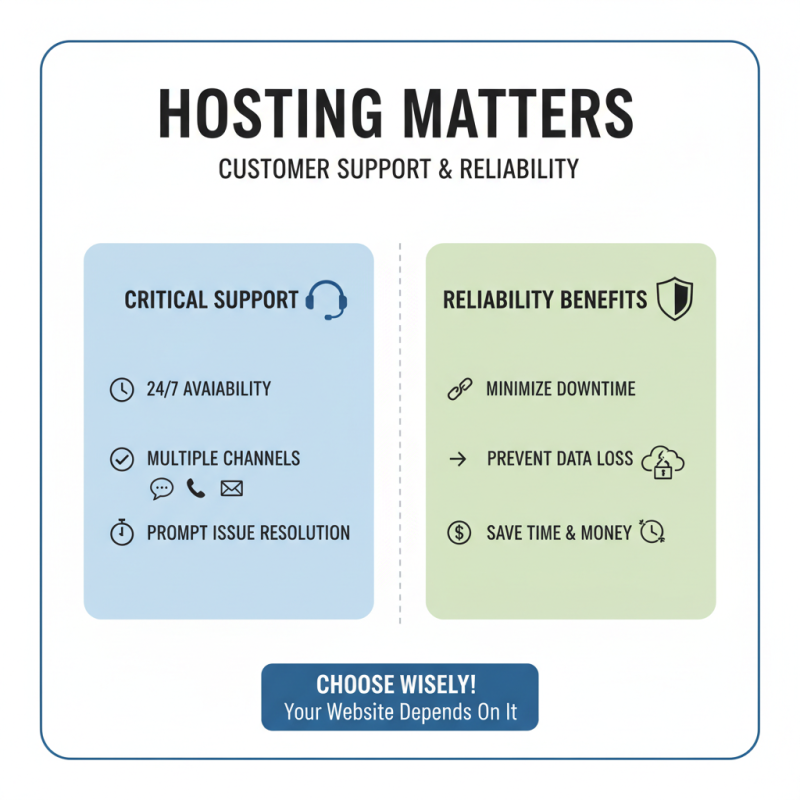
When selecting a hosting service, customer support is critical. A reliable support team can address issues promptly. If your website goes down, every minute counts. Look for services that offer 24/7 support. Check if they provide multiple channels, like chat or phone. Fast responses can save you from potential losses.
Reliability is equally important. Uptime guarantees matter greatly for business. Ensure the hosting provider has a solid track record. Read reviews to see real experiences. Delays, downtime, or lack of support can frustrate users. Consider testing their support before committing. Contact them with questions to gauge their responsiveness. Trust can take time to build, but it’s essential. Reflect on your experiences with past providers. What went right? What went wrong? This will guide your decision.
Analyzing Costs and Budget Considerations for Server Hosting
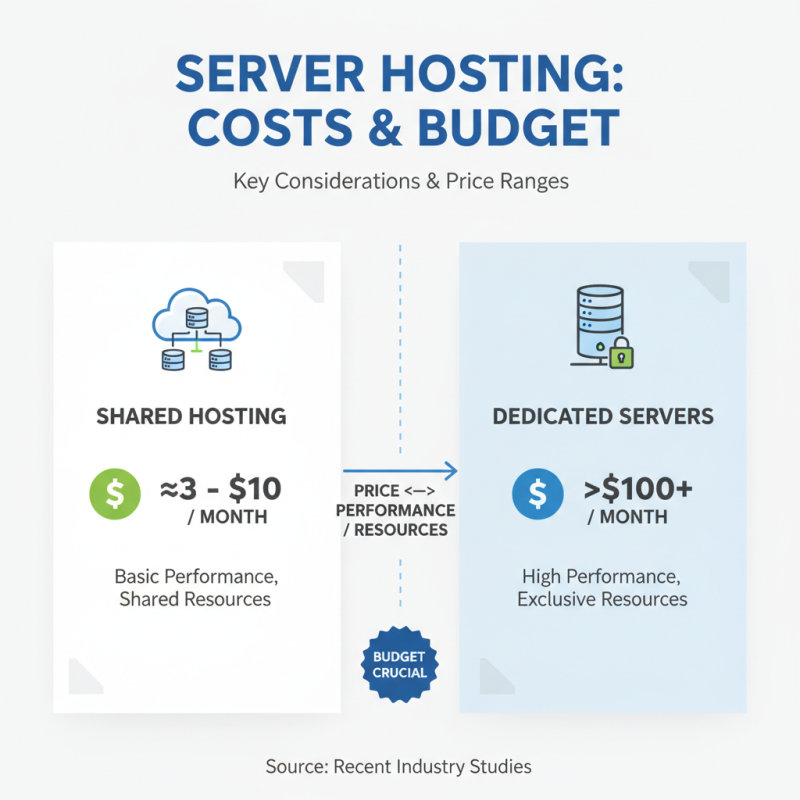
When considering server hosting, budget is crucial. Recent studies show that server costs can vary significantly. A basic shared hosting plan may start around $3 to $10 monthly. However, dedicated servers can soar above $100 per month. The price, of course, reflects the level of performance and resources provided.
Many small businesses often underestimate costs. They might begin with shared hosting but later require more robust solutions. Unexpected traffic spikes can result in additional costs. Research indicates that 40% of websites experience downtime due to insufficient server resources. This can lead to lost revenue and customer trust.
It's essential to review all expenses. Consider not only subscription fees but also setup, maintenance, and potential upgrades. Some providers might offer low introductory rates that increase after the first year. Transparency in pricing is often lacking. It’s important to scrutinize the fine print before committing. Balancing budget constraints with quality service is vital for long-term success.