What is Cloud Hosting and How Does It Benefit Your Business?
In today's digital landscape, businesses seek flexibility and efficiency. Cloud hosting is emerging as a popular solution. This innovative service allows companies to store and manage data on virtual servers. Unlike traditional hosting, cloud hosting distributes resources across multiple locations. It adapts to your business needs seamlessly.
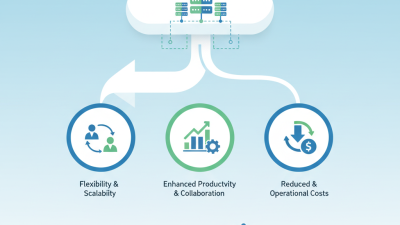
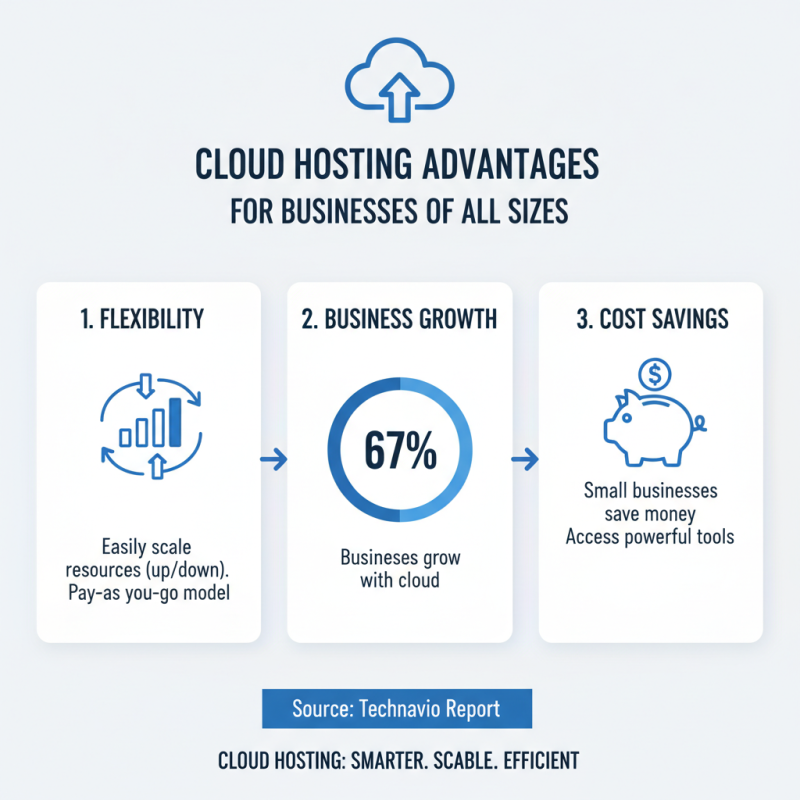
The benefits of cloud hosting are significant. It offers scalability, enabling businesses to grow without worrying about infrastructure. Additionally, cloud hosting enhances collaboration among teams. Files are accessible from anywhere, encouraging productivity. Security is often improved as data is backed up across several servers.
However, cloud hosting is not without its challenges. Some businesses may face concerns about data privacy. Others might struggle with the initial transition from traditional hosting. These factors highlight the need for careful consideration before making a switch. In conclusion, understanding cloud hosting’s advantages and potential drawbacks is vital for informed decision-making.

What is Cloud Hosting? A Comprehensive Overview
Cloud hosting refers to a virtual server environment that utilizes a network of physical servers. This innovative approach allows businesses to access and store data securely online. According to a recent report by Gartner, cloud hosting can lead to a 30% reduction in IT costs for organizations. This statistic highlights the potential savings for businesses looking to streamline operations.
Businesses can scale their resources dynamically. If traffic spikes occur, additional resources can be provisioned almost instantly. This flexibility supports growth without significant upfront investment. A study from IDC predicts that by 2025, over 80% of all enterprise workloads will be in the cloud. This shift indicates a robust trend toward cloud solutions across various industries.
However, shift to cloud hosting isn't without challenges. Security concerns loom large, as sensitive data may be exposed. A report by McAfee states that 21% of organizations experienced a data breach in the cloud. This statistic underscores the importance of proper security measures. Careful planning and risk assessments are critical for businesses adopting cloud hosting. Balancing agility and safety can be complex but is essential for a successful transition.
What is Cloud Hosting and How It Benefits Your Business?
| Feature |
Description |
Benefits |
| Scalability |
Easily scale resources up or down based on demand. |
Helps businesses manage traffic spikes efficiently. |
| Cost-Effectiveness |
Pay only for the resources you use. |
Reduces overall IT costs and eliminates upfront capital expenditures. |
| Data Redundancy |
Data is stored across multiple locations for backup. |
Increases data security and minimizes the impact of data loss. |
| Accessibility |
Access data and applications from anywhere with an internet connection. |
Improves collaboration and productivity for remote teams. |
| Automatic Updates |
Software and security updates are applied automatically. |
Keeps systems up to date without manual intervention. |
Key Features of Cloud Hosting Explained
Cloud hosting is a modern solution for businesses. It offers various key features that can significantly enhance operations. One of the main advantages is scalability. Companies can quickly adjust their resources as needed. This flexibility is crucial during peak times. It allows for quick responses to sudden demands.
Another important feature is reliability. Cloud hosting typically provides redundancy. If one server fails, others can take its place. This minimizes downtime, which is vital for maintaining customer satisfaction. However, achieving true reliability can be challenging. Systems must be regularly monitored and maintained.
Cost-effectiveness is also a strong point. Businesses can pay only for the resources they use. This model can reduce overhead costs. Yet, it requires careful tracking of usage. Unexpected spikes can lead to higher expenses. Decision-makers must be aware of their consumption patterns to avoid surprises. Balancing costs and performance is a continuous challenge for many organizations.
Different Types of Cloud Hosting Solutions Available
Cloud hosting has become increasingly popular in the business sector due to its flexibility and efficiency. There are several types of cloud hosting solutions available. Each has distinct benefits that can cater to various business needs.
Public cloud hosting is a cost-effective option, with over 80% of enterprises using this model to save on infrastructure costs. It allows businesses to scale resources according to demand.
Private cloud hosting provides enhanced security, making it ideal for organizations handling sensitive data. About 45% of large companies have turned to private cloud solutions for better control over their data environments.
Tip: Evaluate your data needs thoroughly. Understand what type of data your business processes daily. This will guide you in choosing the right type of cloud solution.
Many companies overlook the maintenance of cloud systems. Regular updates and audits are necessary for security and efficiency. Failure to monitor can lead to vulnerabilities. Remember, not every cloud solution will fit every business. Take time to analyze and choose wisely.
Tip: Consider trialing different cloud services. Many providers offer trials that can help you determine the best fit for your business.
Considerations for Choosing a Cloud Hosting Provider
Choosing a cloud hosting provider is crucial for your business's growth. The right provider can enhance your operational efficiency. Start by assessing your business needs. Some businesses require more storage, while others may need advanced security features. Make a list of your requirements before diving into options.
When selecting a provider, consider their reputation. Look for customer reviews and testimonials. But remember, not all reviews could be genuine. Some might be overly positive or negative. Get a balanced view. It's also essential to examine their uptime guarantees. Downtime can lead to lost revenue and customer trust.
Tips: Always check if the provider offers a free trial. It allows you to test their service without commitment. Be cautious about hidden fees. Read the fine print carefully. Additionally, consider the scalability of their offerings. As your business grows, your hosting needs may change. Evaluate how easily you can upgrade your plan. These details matter in the long run.