10 Essential Tips for Choosing the Best VPS Server Cloud Solution?
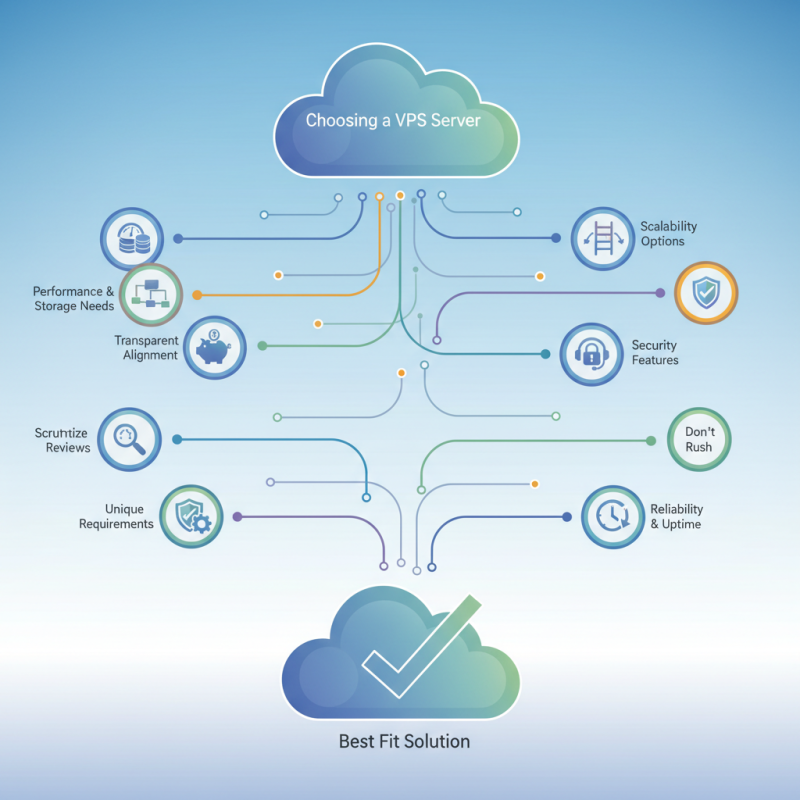
Choosing the right VPS server cloud solution can significantly impact your business. With numerous providers available, the selection process may feel overwhelming. It's essential to consider various factors that align with your needs.
Start by understanding your requirements. Do you need high-speed performance or extensive storage? These preferences will guide your choice. The right VPS server cloud must cater specifically to your workload. You'll have a mix of options, some feature-rich while others are budget-friendly.
Be cautious of hidden costs. Many providers offer attractive initial prices, but the total expenses can soar if you're not careful. Look for transparency in pricing. Reviews can also be misleading; they might reflect past experiences that no longer apply. Reflect on your specific situation. The best VPS server cloud for someone else may not fit your unique demands. Take your time, and don't rush the decision.
Understanding VPS Servers and Their Benefits
When selecting a VPS (Virtual Private Server) solution, understanding its benefits is crucial. VPS servers offer a balance between affordability and performance. They provide dedicated resources within a shared environment. According to industry research, 60% of businesses experience improved load times when they switch from shared hosting to VPS.
One key advantage is control. Users can customize their environments to meet specific needs. This flexibility is especially important for growing businesses. They can install software and configure settings without restrictions. In fact, a report by HostingAdvice indicated that over 70% of developers prefer VPS for its configurability.
When choosing a VPS, consider your traffic needs. You should assess your expected growth. A server that seems sufficient now may not be enough later. Performance metrics matter. Look for options that can handle spikes in user activity efficiently. A good VPS should also provide excellent uptime guarantees, typically around 99.9%.
It's essential not to overlook customer support. Some VPS providers may offer limited assistance. This could become a problem if issues arise. Clear communication can save you time and resources. Therefore, analyze the support options available to ensure they meet your needs.
Identifying Your Specific Hosting Needs and Requirements
When choosing the best VPS server cloud solution, it is vital to identify your specific hosting needs and requirements. Start by analyzing your expected traffic. Will your site experience spikes? Understanding your baseline needs is critical.
Also, consider the type of applications you plan to run. Resource-heavy applications require more power. If your site relies on databases, ensure your VPS can handle the expected load. Think about storage too. Solid-state drives offer speed but may cost more.
Evaluate scalability options. Your needs might change. A solution that grows with you is essential. Check if there are limitations on upgrades later. Lastly, reflect on support options. Not all providers offer robust support. Clear communication channels are crucial, especially during outages.
Evaluating Performance Metrics and Resource Allocation
When evaluating VPS server cloud solutions, performance metrics are crucial. Look for CPU performance, RAM size, and disk speed. These elements directly impact your site’s responsiveness. A server with a higher CPU core count is often more efficient. This is essential for heavy traffic and resource-intensive applications. Regular monitoring is needed to ensure these metrics meet your expectations.
Resource allocation should also be carefully assessed. Check the flexibility of resource adjustments. Some solutions offer easy scaling options, while others may require complicated processes. Consider your projected growth when selecting a plan. It's vital to understand that what fits today may not work tomorrow. Underestimating future needs can lead to costly downtimes. Prioritizing adaptability can save headaches later on. Always be willing to reassess your choices. Is your current setup truly meeting your needs? Reflect on your performance data regularly to ensure ongoing optimization.
VPS Server Cloud Solution Performance Metrics
This chart displays essential performance metrics for evaluating VPS server cloud solutions. It includes CPU usage, memory usage, disk I/O, network throughput, and uptime percentage. Monitoring these metrics helps in making informed decisions for optimal resource allocation.
Comparing Pricing Models and Additional Features
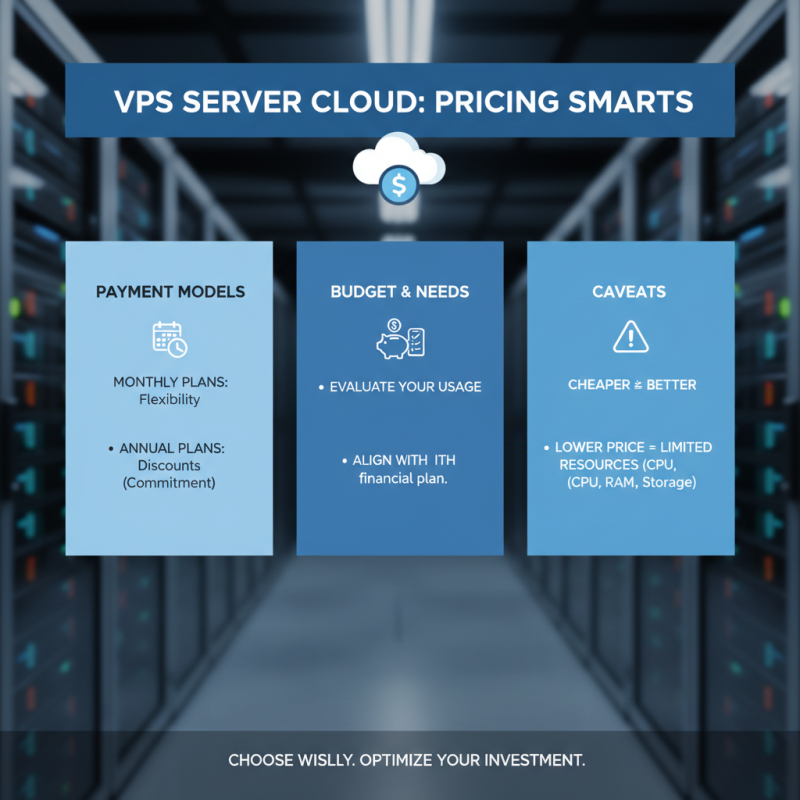
When choosing a VPS server cloud solution, you must compare pricing models carefully. Different providers offer various plans. Some charge monthly, while others may provide discounts for annual payments. Consider your budget and evaluate what aligns with your needs. Be cautious, though—cheaper isn’t always better. Often, lower prices come with limited resources.
In addition to pricing, additional features play a crucial role. Look for options like scalability and backup solutions. These features can significantly affect your site's performance. Some providers may provide better security measures, which are essential for protecting data. Don’t overlook customer support, either. That can be your lifeline during technical issues.
Remember, not every feature is necessary for each user. Assess your specific needs and avoid getting lost in the multitude of options. Reflect on what you truly require for your project. Sometimes, a simpler plan may suit you better than you think. Balancing practicality with features will lead you to the best choice.
Assessing Customer Support and Service Reliability
When choosing a VPS server cloud solution, assessing customer support and service reliability is crucial. Research shows that 70% of businesses prioritize support quality when selecting a provider. An effective support team can minimize downtime and resolve issues quickly. Ideally, support should be accessible 24/7, offering multiple contact methods.
**Tip:** Look for providers with extensive knowledge bases or community forums. These resources can assist during off-peak hours.
Additionally, service reliability is paramount. A reliable provider typically guarantees uptime of at least 99.9%. Any dip below this threshold could lead to lost revenue. Reports indicate that outages can cost companies up to $5,600 per minute. This staggering figure highlights the need for dependable service.
**Tip:** Review historical uptime data and customer testimonials before deciding. This information can reveal potential issues with a provider's stability.
Lastly, don't overlook the importance of clear communication. If a provider’s support team is slow to respond or vague, it could lead to frustration. Choose solutions that offer transparent communication channels and regular updates.
10 Essential Tips for Choosing the Best VPS Server Cloud Solution - Assessing Customer Support and Service Reliability
| Criteria |
Description |
Importance Level |
Rating (1-5) |
| Response Time |
The time taken by support to respond to queries. |
High |
4 |
| Service Uptime |
The guaranteed availability of the service. |
Critical |
5 |
| Support Channels |
The types of support available (chat, email, phone). |
Medium |
4 |
| Knowledge Base |
Availability of documentation and FAQs. |
High |
3 |
| Customer Reviews |
Feedback from current and past users. |
Medium |
4 |
| Performance |
Overall speed and efficiency of the VPS. |
Critical |
5 |
| Technical Expertise |
Knowledge level of support staff. |
High |
4 |
| Scalability |
Ability to scale resources as needed. |
High |
5 |
| Cost Transparency |
Clear breakdown of pricing and fees. |
Medium |
3 |
| Trial Period |
Availability of trial options before commitment. |
Medium |
4 |