What is VPS Server Hosting and How Does It Work?
VPS server hosting is an increasingly popular choice for businesses and individuals alike. It combines the affordability of shared hosting with the flexibility of dedicated servers. This type of hosting provides users with a virtual private server, giving them more control and dedicated resources.
Understanding how VPS server hosting works is crucial. It operates by partitioning a physical server into multiple virtual servers. Each virtual server functions independently, allowing users to install their own software and reach their specific goals. Users benefit from better performance, enhanced security, and scalability options.
Despite its advantages, some may find VPS server hosting challenging. Configuration can be complex for beginners. Getting the right setup might require technical knowledge. Users must reflect on their needs carefully before diving in. Only then can they truly harness the power of VPS server hosting.
What is VPS Server Hosting?
VPS server hosting, short for Virtual Private Server, is a popular choice among businesses and developers. It provides a middle ground between shared hosting and dedicated servers. With VPS, users have more control and dedicated resources. It isolates each server environment for better performance. According to a recent industry report, the VPS hosting market is expected to grow by 15% annually.
VPS hosting offers flexibility and scalability. Users can easily upgrade resources as their needs grow. This adaptability makes it ideal for growing websites or applications. In fact, research indicates that 68% of companies prefer VPS due to its balance of cost and performance. However, not all VPS solutions are user-friendly. Some require a steep learning curve for configuration and management.
Security is another crucial aspect. VPS environments can provide better security than shared hosting. Yet, users still need to implement their own security protocols. It's essential to monitor for vulnerabilities regularly. Reliance on hosting providers for security can lead to missed risks. In conclusion, the advantages of VPS hosting come with responsibilities. Users must engage actively with their hosting environment.
Key Differences Between VPS and Shared Hosting
When comparing VPS server hosting to shared hosting, several key differences stand out. VPS, or Virtual Private Server, offers dedicated resources. In contrast, shared hosting allocates a portion of a server's resources among multiple users. This means that with VPS, you have a set amount of CPU, RAM, and disk space that is not affected by neighbors. A study by Statista indicates that over 30% of businesses face slow loading times with shared hosting, often due to resource contention.
VPS hosting is typically more secure than shared hosting. When using shared hosting, a security breach on another account can put your data at risk. According to industry reports, nearly 40% of data breaches occur due to poor server security configurations. With VPS, you have more control over your server settings, providing an extra layer of protection.
Tip: Consider your website's needs carefully. If you're expecting increased traffic or handling sensitive data, VPS may be the better option. Yet, not every user requires the power of a VPS. Shared hosting can be a cost-effective choice for smaller websites. However, keep in mind that you may encounter performance issues as your site grows. It’s crucial to regularly evaluate your hosting solution as your requirements evolve.
How VPS Server Works: An Overview of Virtualization
VPS server hosting relies heavily on virtualization technology. Virtualization allows a single physical server to be divided into multiple virtual servers. Each VPS operates independently, running its own operating system. This independence gives users greater control compared to shared hosting.
Tips: Choose a VPS plan based on your needs. Consider RAM, CPU, and storage carefully. Not all users require the same resources.
The virtualization process involves a hypervisor. This software layer manages the distribution of resources. Each virtual server can be rebooted separately without affecting others. This is a significant advantage for those seeking flexibility.
Some users find managing a VPS challenging. It may require technical knowledge. Regular updates and security fixes are essential. Ignoring these aspects can lead to problems.
Tips: Regularly backup your data. Implement strong passwords for security. Monitor performance to avoid slowdowns.
What is VPS Server Hosting and How Does It Work? - How VPS Server Works: An Overview of Virtualization
| Feature |
Description |
Benefits |
| Isolation |
Each VPS operates independently from others on the same hardware. |
Enhanced security and performance, individual resource allocation. |
| Resource Allocation |
Dedicated resources such as CPU, RAM, and disk space. |
Consistent performance and ability to handle traffic spikes. |
| Customization |
Users have root access to install software and configure settings. |
Flexibility to meet specific business needs and applications. |
| Cost-Effectiveness |
More affordable than dedicated servers while providing similar capabilities. |
Ideal for small to medium-sized businesses with limited budgets. |
| Scalability |
Easily upgrade or downgrade resources based on demand. |
Ability to grow with your business needs without major investments. |
Benefits of Using VPS Server Hosting for Businesses
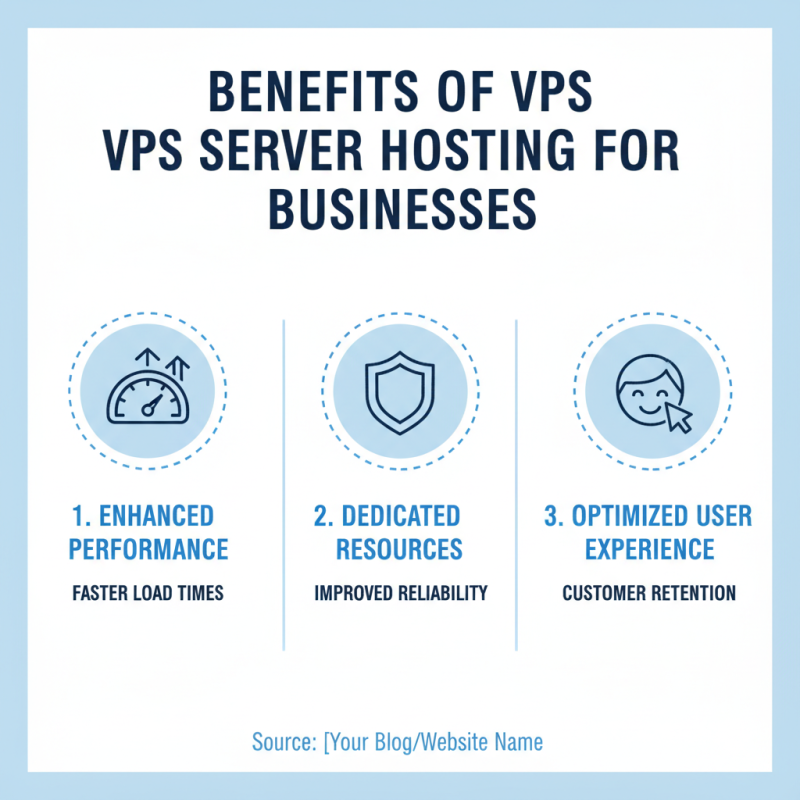
VPS server hosting provides several advantages for businesses. One significant benefit is enhanced performance. With dedicated resources, businesses experience faster load times. This can lead to improved user experience, which is crucial for retaining customers.
Another important aspect is scalability. As a business grows, its needs change. VPS hosting allows easy upgrade options. Companies can adjust their resources without significant downtime. This flexibility helps businesses avoid the pitfalls of overspending or under-resourcing.
Security is also a major concern. VPS hosting often includes advanced security features. These can protect data and prevent unauthorized access. However, not all businesses utilize these features effectively. Regular updates and monitoring are essential. Neglecting security can lead to serious issues. Therefore, investing time in these areas is crucial for leveraging the full benefits of VPS hosting.
Choosing the Right VPS Hosting Plan for Your Needs
Choosing the right VPS hosting plan is crucial for your online success. A VPS (Virtual Private Server) offers an excellent balance between shared hosting and dedicated servers. It provides dedicated resources for your website with the flexibility to scale as necessary. According to a report from Statista, the VPS hosting market is projected to reach USD 1.6 billion by 2025. This growth indicates the increasing reliance on VPS for various types of businesses.
Picking the ideal VPS plan requires understanding your needs. If your website has moderate traffic, a lower-tier plan may suffice. For sites with higher traffic and resource requirements, consider a plan with more CPU and memory. Surprisingly, many users select plans based on price alone. This can lead to performance issues. According to recent surveys, 45% of users regret their initial choice due to underestimating their site's needs.
Evaluating your expectations is essential. Not all VPS providers offer similar features or support levels. You may find plans with limited backup options or inadequate customer service. In fact, some reports indicate that nearly 30% of users encounter unexpected limitations in their VPS plans. Reflect on what features matter for your business. Each detail can significantly impact your website's performance and reliability.
VPS Hosting Resources Usage Comparison
This chart illustrates the resource usage percentages of a typical VPS hosting plan. Effective management of these resources is crucial for optimal performance and scalability.